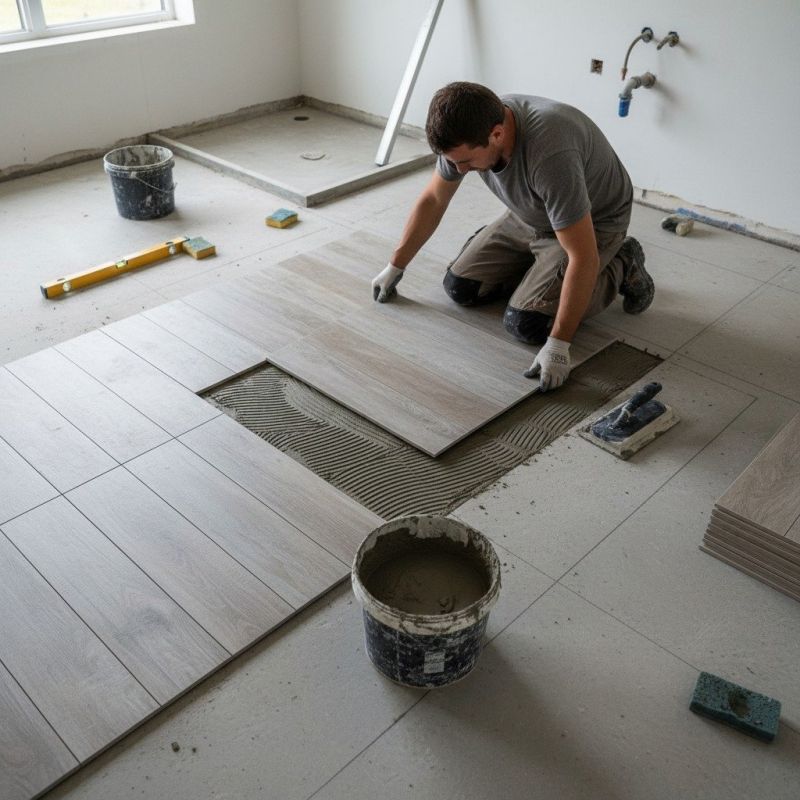
Tile Floor Installation in Longmont, CO
Tile floor installation services involve the placement of durable, attractive tiles in various areas of a property, including kitchens, bathrooms, entryways, and living spaces. These projects typically encompass preparing the existing surface, selecting suitable tile materials, and ensuring precise placement for a smooth, even finish. Property owners often seek information about the different types of tiles available, such as ceramic, porcelain, or natural stone, as well as the durability and maintenance requirements of each option. Understanding the scope of the installation process and the materials involved can help homeowners plan their projects effectively.
Before requesting tile floor installation, property owners usually want to clarify the size and layout of the area, the desired style or design, and any specific functional needs, such as slip resistance or moisture resistance. It’s also helpful to consider the existing subfloor condition, as it may require repairs or leveling to ensure a stable, long-lasting result. Knowing these details can facilitate a smoother installation process and help ensure the finished floor meets both aesthetic preferences and practical requirements.
Many property owners in Longmont, CO look into Tile Floor Installation for repairs, replacements, upgrades, and appearance-related improvements.
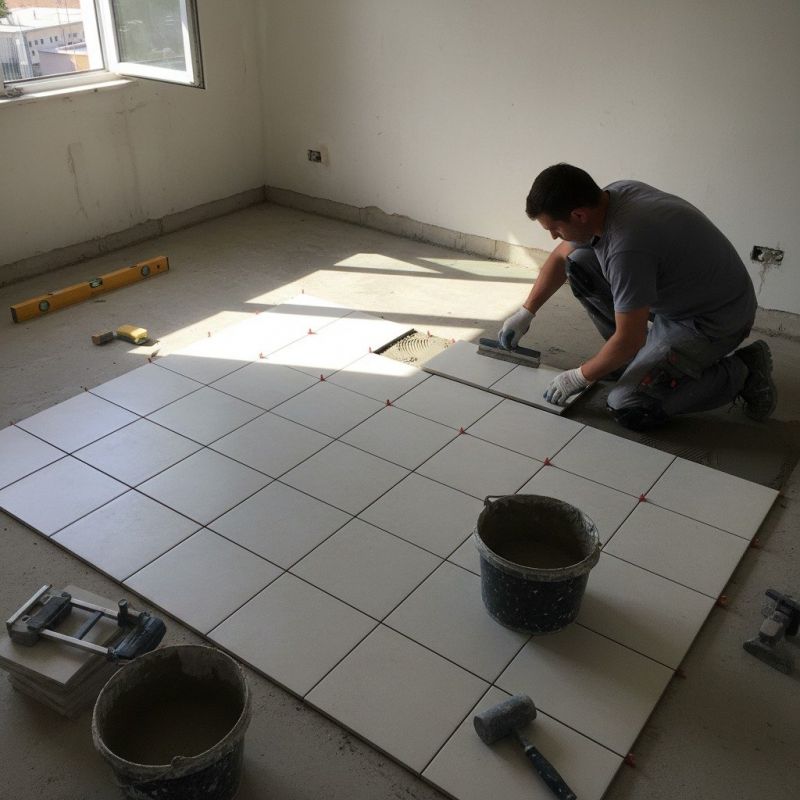
Types Of Tile Flooring
Popular options include ceramic, porcelain, and natural stone tiles suitable for various areas in longmont homes.
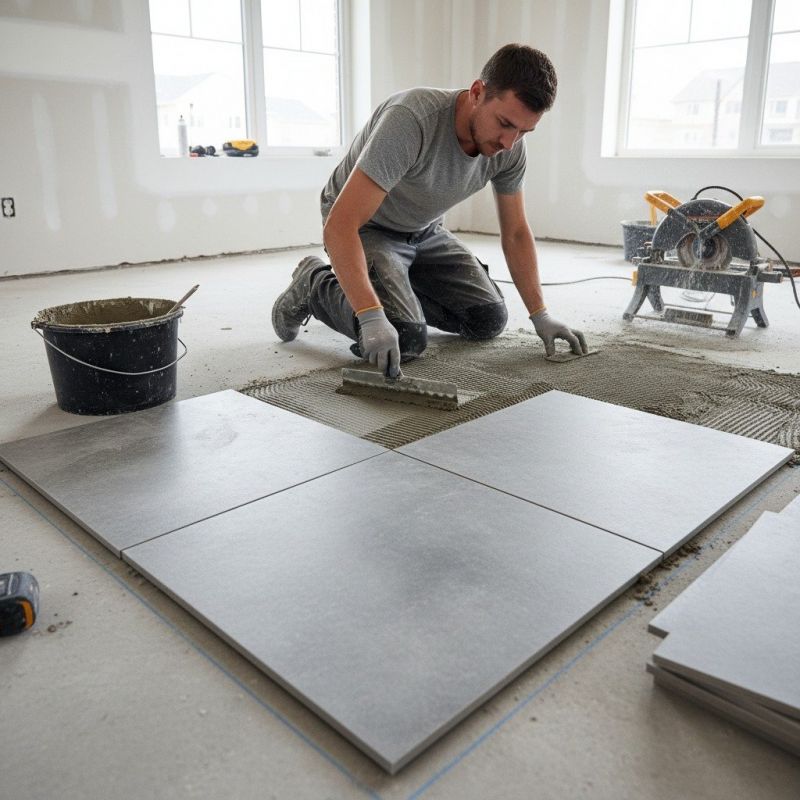
Design And Pattern Ideas
Creative layouts and color combinations can enhance the style and functionality of your tile floors.
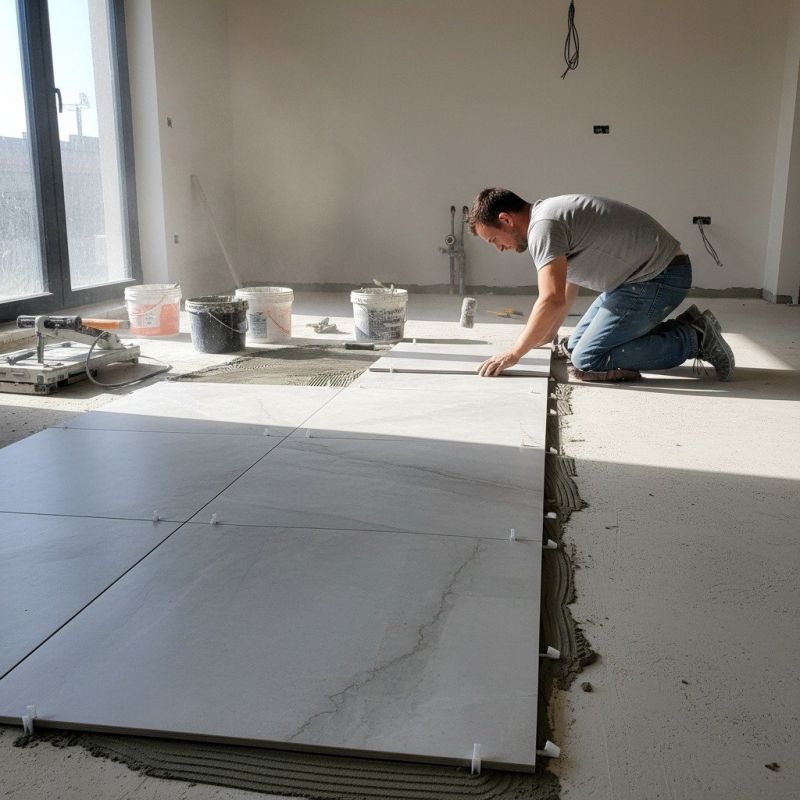
Installation Considerations
Proper subfloor preparation and professional installation ensure durability and a polished appearance for your tile surfaces.
Tile Floor Installation in Longmont, CO
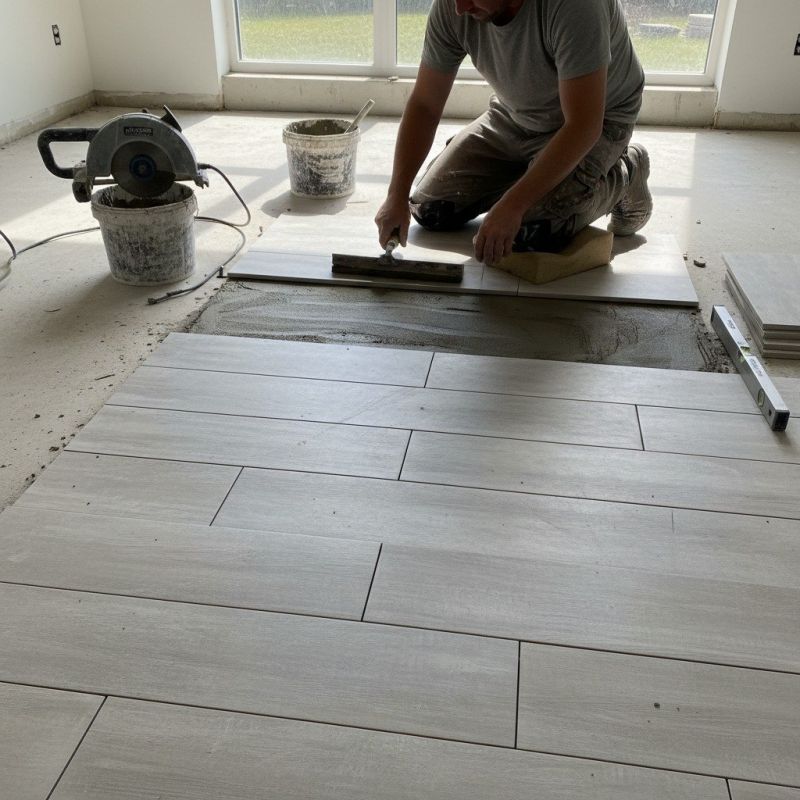
Tile floor installation services involve the placement of durable, attractive tiles in various areas of a property, including kitchens, bathrooms, entryways, and living spaces. These projects typically encompass preparing the existing surface, selecting suitable tile materials, and ensuring precise placement for a smooth, even finish. Property owners often seek information about the different types of tiles available, such as ceramic, porcelain, or natural stone, as well as the durability and maintenance requirements of each option. Understanding the scope of the installation process and the materials involved can help homeowners plan their projects effectively.
Before requesting tile floor installation, property owners usually want to clarify the size and layout of the area, the desired style or design, and any specific functional needs, such as slip resistance or moisture resistance. It’s also helpful to consider the existing subfloor condition, as it may require repairs or leveling to ensure a stable, long-lasting result. Knowing these details can facilitate a smoother installation process and help ensure the finished floor meets both aesthetic preferences and practical requirements.
Many property owners in Longmont, CO look into Tile Floor Installation for repairs, replacements, upgrades, and appearance-related improvements.
Common Tile Floor Installation Jobs
Tile floor installation - enhances the durability and appearance of residential and commercial spaces.
Kitchen tile installation - provides a stylish and easy-to-clean surface for cooking areas.
Bathroom tile installation - creates water-resistant surfaces that withstand moisture and daily use.
Entryway tile installation - offers a welcoming and slip-resistant surface for high-traffic areas.
Patterned and decorative tile installation - adds personalized style and visual interest to any room.
Floor prep and subfloor repair - ensures a stable base for long-lasting tile installation.
Tile Floor Installation Questions
What types of tile are suitable for floor installation? Popular options include ceramic, porcelain, stone, and quarry tiles, each offering different styles and durability levels for various spaces.
How should a property owner prepare a space for tile installation? The area should be clean, level, and free of debris to ensure proper adhesion and a smooth finish.
Is underlayment necessary for tile flooring? Yes, a suitable underlayment helps provide a stable, level surface and can improve the longevity of the tile floor.
What common projects involve tile floor installation? Typical projects include kitchen backsplashes, bathroom floors, entryways, and laundry rooms, among others.
Request Tile Floor Installation in Longmont, CO
Use the quote form on this page to share the basics of your project and request more information for the type of work you need.